
To the mind that is still, the whole universe surrenders. -Lao Tzu
Drop in Meditation
Meditation sitting, lying, walking. Mindful movement.
2nd and 4th Sundays of the month, 10:30am – 12:30pm.
Location: The Hearth Studio, Reseed Centre, King Edward st, Penguin.
Donations welcome. No booking necessary.
***Free mindfulness sessions: “Stressbusters” ***
2026 to be advised
Burnie Community House, Wiseman St. Mondays.
Please book as places are limited. Come to one or all sessions.
Please contact Burnie Community House for more details. Ph 6433 3219
Term 1 Mindfulness Classes 2026
8 week course
Commencing 19th February (1.5 hrs per week)
Penguin – Thursdays 630 – 8pm
$180/120 for 8 weeks.
Term 1, 2026
Contact Mary for bookings and more info: 0428 584 739
What is Mindfulness Meditation?
Imagine a jar filled with muddy water. If we don’t shake it about, and let it settle, the sediment falls to the bottom and the water becomes clear.
Our minds are like this. Constant thinking is not always the best solution to the questions of life. We try to think our way out of our problems but typically we end up getting obsessive and stressed, anxious and depressed.
We keep shaking that jar in an effort to find peace of mind, yet often we make things worse.
Mindfulness Meditation is learning to relax the mind itself, so that habitual and repetitive thoughts can settle to the bottom. Not only is this profoundly calming for mind and body, but we find more clarity around the questions of life.
So how do we do this?
We relax the mind by training ourselves to pay attention to what is happening here and now, usually with felt sensations such as breathing or scanning our attention over the body. The key words here are “pay attention”. Another way to say it would be “noticing”. We notice what is happening in the present moment without judgement or criticism, analysing or censoring. We allow what arises, with acceptance, curiosity and friendliness, then return our attention to the breath.
It may seem paradoxical to find answers to our problems by not focusing on them. Our tendency is to grapple with our difficulties and obsess about them.
Metaphors are helpful in understanding this paradox. The jar of muddy water is one example. Another example is when a window on your computer freezes, and you open another window, then that freezes and so on, until the whole computer crashes! Thoughts piling upon thoughts is a recipe for stress – for mind and body.

Benefits
The benefits of mindfulness /meditation (essentially the same thing) have long been known in many cultures, and have recently become recognised by the scientific community. Benefits are varied and include:
Pain management
Stress reduction
Improving sleep
Improving symptoms of anxiety and depression
Increased ability to focus and complete tasks
Mental sharpness
Reduced blood pressure.
Less rumination – gloomy and catastrophic thinking
Improved memory
Emotional resilience- less reactive
Improved immune system
And more…
What mindfulness isn’t:
A quick fix – this takes effort, intention, courage and willingness. It takes your active participation.
A therapy – although it can be therapeutic.
A religion – although it can be spiritual.
New Age “fluff” – nothing fluffy about this! Well backed up by science.

Course Outline – 8 Week Course
Week 1: Setting the scene, learning the basics of practice, making a commitment.
Week 2: Letting go of stress
Week 3: Overcoming physical pain
Week 4: Goodbye emotional pain
Week 5: The stress of roles and time pressure, mindfulness of money.
Week 6: Taking care of yourself
Week 7: Elevated Function
Week 8: Changing your life
Course Outline – Stressbusters- The Mindfulness Approach
Week 1: What is stress? Definitions, function, physiology, stages, causes, good/bad stress, health impacts of prolonged stress, how we usually deal with stress – coping mechanisms. The story in our heads versus what is real. What is mindfulness meditation and how can it help. Building resilience, giving it a good go – making a commitment to practise, habit formation. Meditation session.
Week 2: Role and time stress – accepting the reality of “what is” versus our expectations, the tyranny of the “shoulds”, horizontal and vertical time, timelessness and “flow”. Waking up to the life we have. The awakening of the senses – simple pleasures. Being proactive in our lives. Stress-proof your life. Mindful movement. Meditation session.
Week 3: Taking care of yourself – what is nourishing and what is depleting in your life, gratitude, letting go of grudges etc, making time for joyful things, maintaining your practice. Mindful movement. Meditation session.

FAQs
What’s required of students?
The benefits of mindfulness only come with regular practice. Students commit to 25 min a day meditation for the duration of the course. It’s important to really give it a good go to assess the benefits. Practising once or twice a week is unlikely to bring profound benefits.
Do I have to sit on the floor?
All the meditations can be done sitting (floor or chair), standing, walking, or lying down. The main goal is to find a position where you can be both relaxed yet alert (or mindful!) for 25 min at a time.
Is this religious? Why the reference to Zen?
Mindfulness has been developed out of Buddhist meditation practices but is not in itself religious. Zen has a long tradition of secular Zen (Bompo zen) which simply aims to teach meditation for physical and mental health. There are no religious rituals or belief systems required. In Japan it is common for people from business and financial worlds to meditate for mental clarity and stress management in this fast paced and cut throat environment. Mindfulness is a simple and natural thing to do. There’s nothing special to believe in.
Recommended Reading
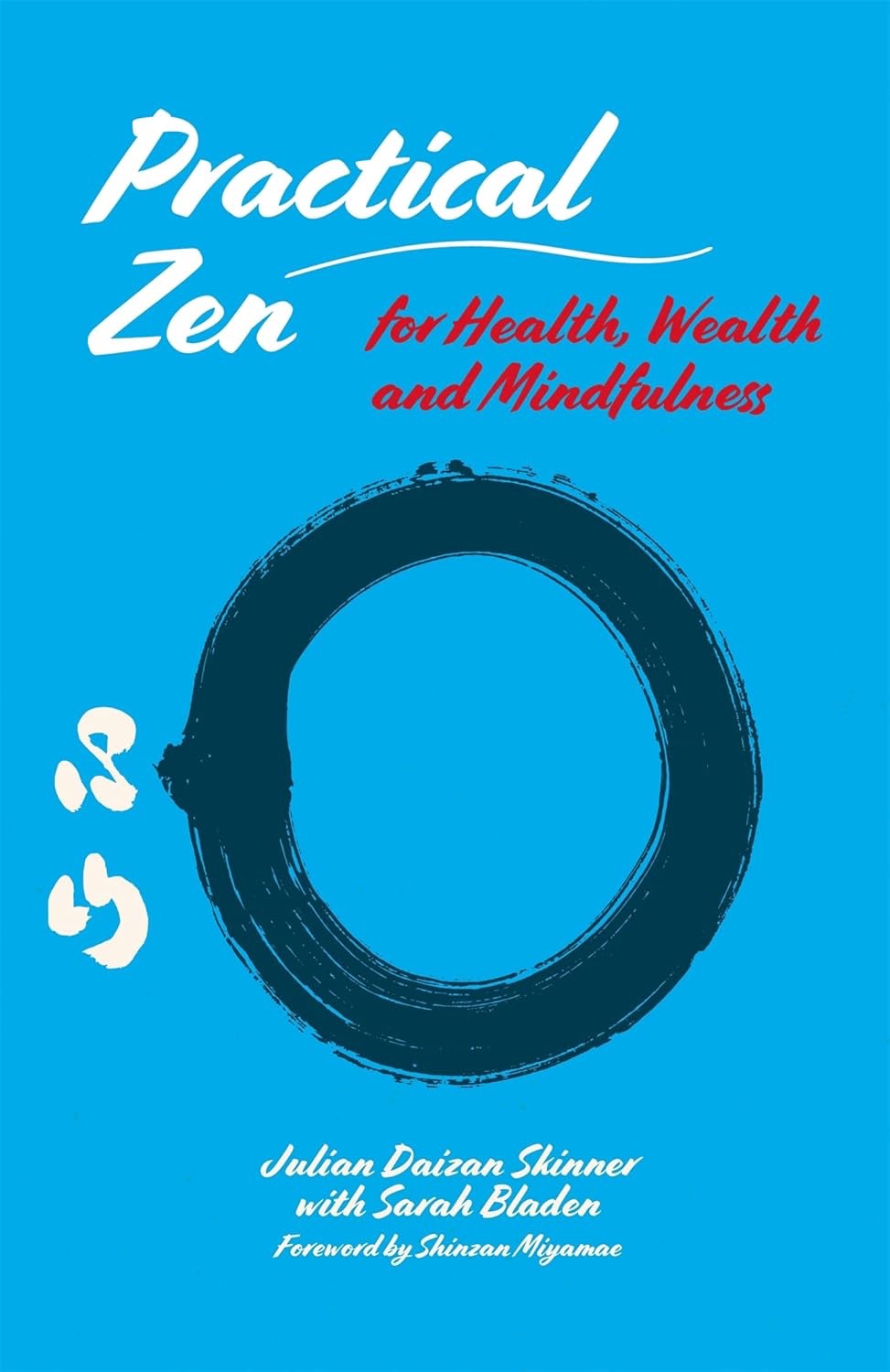

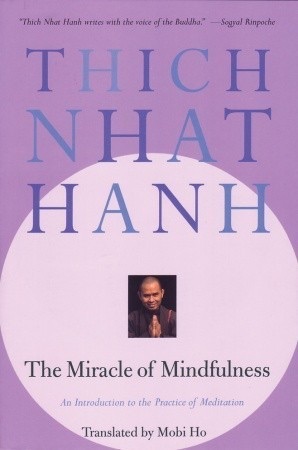

 The Song of the Ancients