I studied voice for many many years. I sang in choirs, madrigal groups, church ensembles, musicals, and amateur and student opera productions, as well as weddings, funerals, and other public events.
Despite all this singing, I am not someone who generally feels bursting with song. I tend to sing when I feel happy, and not at any other time.
But I discovered, even in the course of high pressure studies at the Conservatorium, that singing had the power to change my mood. To sing with good technique, engaging the breath and opening up the resonance of the body, is to bring the soul to life and energise the whole being. I could not remain in my state of feeling closed down, grumpy, and withholding of my energy. Rather than sing only when I was happy, the act of singing could bring me to happiness! To bring the body to life with resonance, as good singing technique can, is to energise yourself and everything around you. There is a transmission that takes place.
Music is a language that everyone knows, and everyone can speak. It crosses linguistic barriers and softens hardened hearts. It shakes the Tower of Babel to its foundation. In “The Weeping Camel”, it is the song of the shepherdess, and the plaintive voice of the Mongolian Urhu, that makes the indignant and rejecting mother camel finally accept her colt.
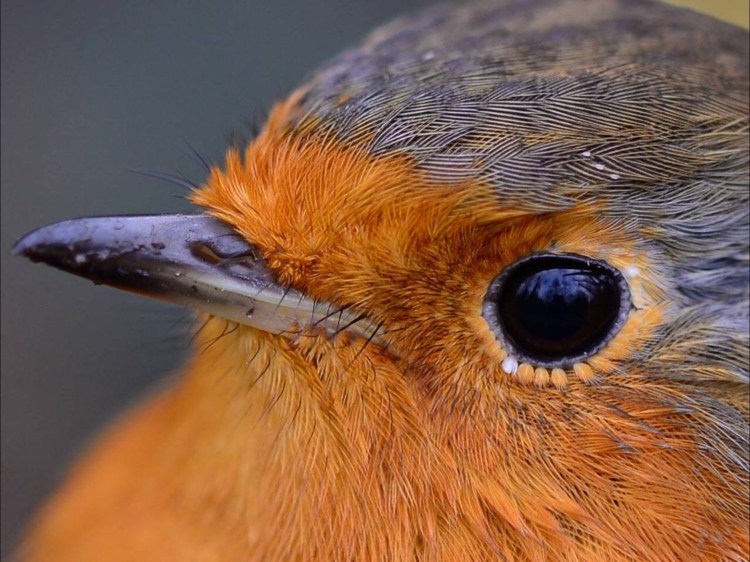
There is some evidence that Neanderthal people had singing before they had language. (1.) This is logical: birds are singers too, but as far as we know, they don’t have abstract language. But like the birds, we sing for the joy of mating and group bonding. Anyone who has been to a rock concert and sung along to a favourite song, along with 10 000, 20 000 or more other people, will know the expansion of goodwill and belonging that this can create. The powerful surges and peaks of beauty that occur in music serve to direct the group experience to peak at the same time, and it is this experience that bonds them together, in their moment of openness, vulnerability, and vitality. In this sense, it is ritual.
It is sad that emphasis on performance and competition has led many to shut down their voice and become musically mute. Music, and especially singing, can have great transformative power in our lives. It is something intrinsically human. It’s effect on us transcends “entertainment”. As I discovered in the suffering of my adolescent years, singing can bring light into the darkness, movement into stagnation, expansiveness into contraction, and bring courage back to the heart.
Notes:
1. Mithen, S. The Singing Neanderthals: The Origin of Music, Language, Mind and Body, 2007
 The Song of the Ancients